

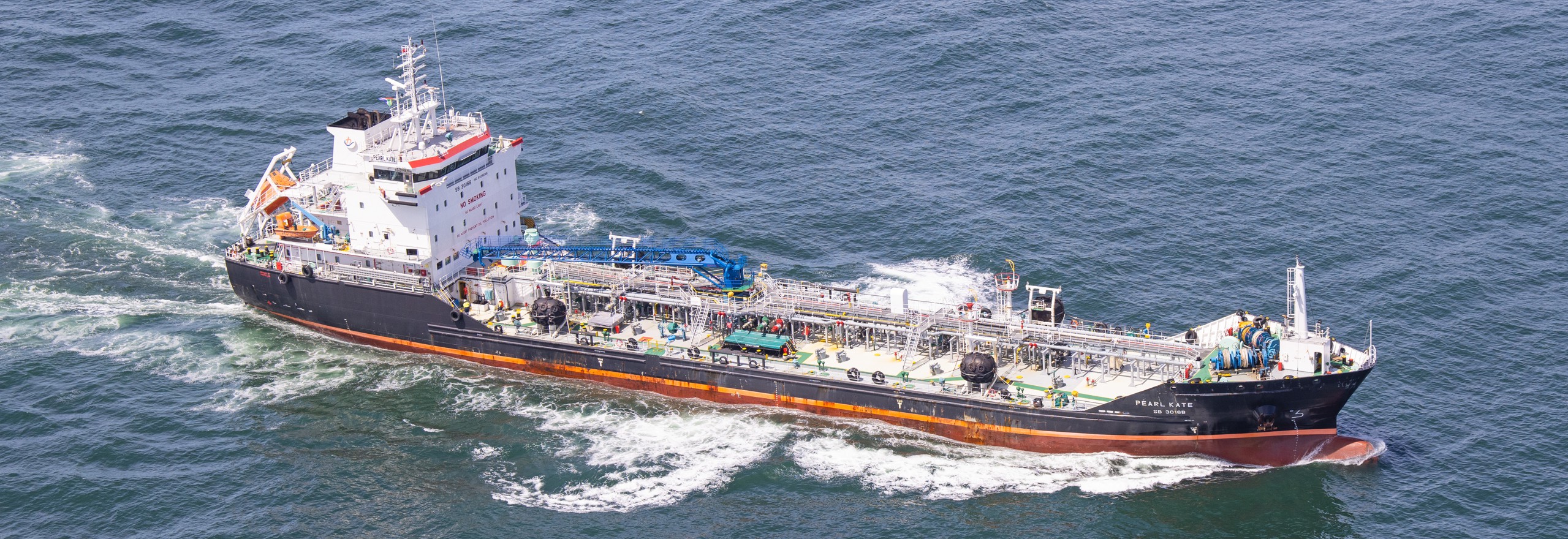
Maritime Economics

Maritime Economics prepares students for careers in the maritime industry ashore and deals with maritime geography, port studies, maritime trade patterns, the structure of the local shipping industry, various aspects of ship operation and chartering, the bunker trade, ships’ agency procedures, ship-broking, cargo clearing, and maritime ecology.

Nautical Science

Nautical Science prepares students for a career at sea and covers seamanship, coastal and ocean navigation (including astro-navigation), maritime communications, weather systems at sea, electronic aids to navigation, international regulations for the prevention of collisions at sea and basic ships stability, amongst others.

Maritime Studies South Africa

The future of maritime education begins with structured, progressive learning.

Maritime Studies South Africa is an open-access platform supporting secondary-level maritime education. Organised by grade and subject, it provides structured learning in Maritime Economics and Nautical Science.

Modules are broken into focused chapters that build knowledge progressively, offering clear, curriculum-aligned content for both learners and educators.


01

Foundational Understanding

Students learn core maritime concepts before memorisation, focusing on how the industry operates — from shipping systems to maritime economics — building strong foundations from Grade 10 onward.


02

Structured Progression

Learning develops year by year. Grade 10 establishes fundamentals, Grade 11 deepens analytical understanding, and Grade 12 focuses on application and critical thinking. Each stage reinforces knowledge while preparing learners for higher responsibility and industry expectations.

03

Applied Learning

Teaching moves beyond theory. Real-world maritime scenarios, discussions, and practical tasks are integrated into modules to strengthen comprehension. Students engage actively, developing both technical knowledge and independent problem-solving skills.

04

Career Readiness

Beyond academic knowledge, the programme cultivates essential soft skills — communication, teamwork, discipline, and critical thinking. These competencies support post-school employment opportunities within the maritime sector.

Our Sponsors

Amsol

African Marine Solutions (AMSOL) is a specialist solutions provider and partner to clients who operate in marine environments.

In Association with

The Lawhill Maritime Educational Trust (LMET) is an independent, non-profit organisation dedicated to funding and supporting the Lawhill Maritime Centre, based at Simon’s Town School in South Africa.

About This Initiative

Connecting classroom learning with the maritime world. Meet the people and partners supporting Maritime Studies South Africa and inspiring the next generation.